TELEVISION AND RADIO
Radio and television were major agents of social change in the 20th century opening windows to other people and places and bringing distant events directly into millions of homes. With many inventors, this has allowed television to change our world completely and become one of the biggest breakthroughs in history.
1. John Logie Baird (1888-1946), was a Scotsman and the first man to demonstrate a working television system. On January 26th, 1926, a television system was used through mechanical picture scanning and electronic amplifications and the transmitter and receiver and in February of 1928, trans-Atlantic transmissions were sent from London to New York.
This site provides information about Baird's life work as well as the other pioneers of television and the development of the television industry to the present day.
http://www.bairdtelevision.com/

2. The Vacuum Tube (1904)
A vacuum tube is a glass tube surrounding a vacuum (an area from which all gases can be removed). When electrical contacts are put on the end, you get currents to flow through the vacuum. British scientist named John A. Fleming made a vacuum tube known today as a "diode" in 1904. Shortly after, the diode was considered a "valve" because it forced current in the tube to travel in one direction.
 http://www.pbs.org/transistor/science/events/vacuumt.html
3. Sony "Watchman" (1968)
Sony introduces the first in it's "Watchman" series of handheld, battery-operated, transistorized television sets. The first transistorized TV, Philco's 1959 Safari, stood 15 inches high and weighed 15 pounds. The Sony Watchman is a line of portable pocket televisions trademarked and produced by Sony, which discontinued in 2000. Due to the switch of over-the-air television to digital, most models of the Sony Watchman in the US have lost their usefulness, because they now require to be connected to a digital converter box.

4. 200 Million TV Sets (1968)
At this point in time, there are 200 million TV sets in operation worldwide, up from 100 million in 1906. By 1979, the number reaches 300 million and and by 1996, over a billion. In the United States the number grows from 1 million in 1948 to 78 million in 1968. Also, in 1950, only 9 percent of American homes have a TV set; in 1962, 90 percent; and it 1978, 98 percent, with 78 percent owning a color TV.

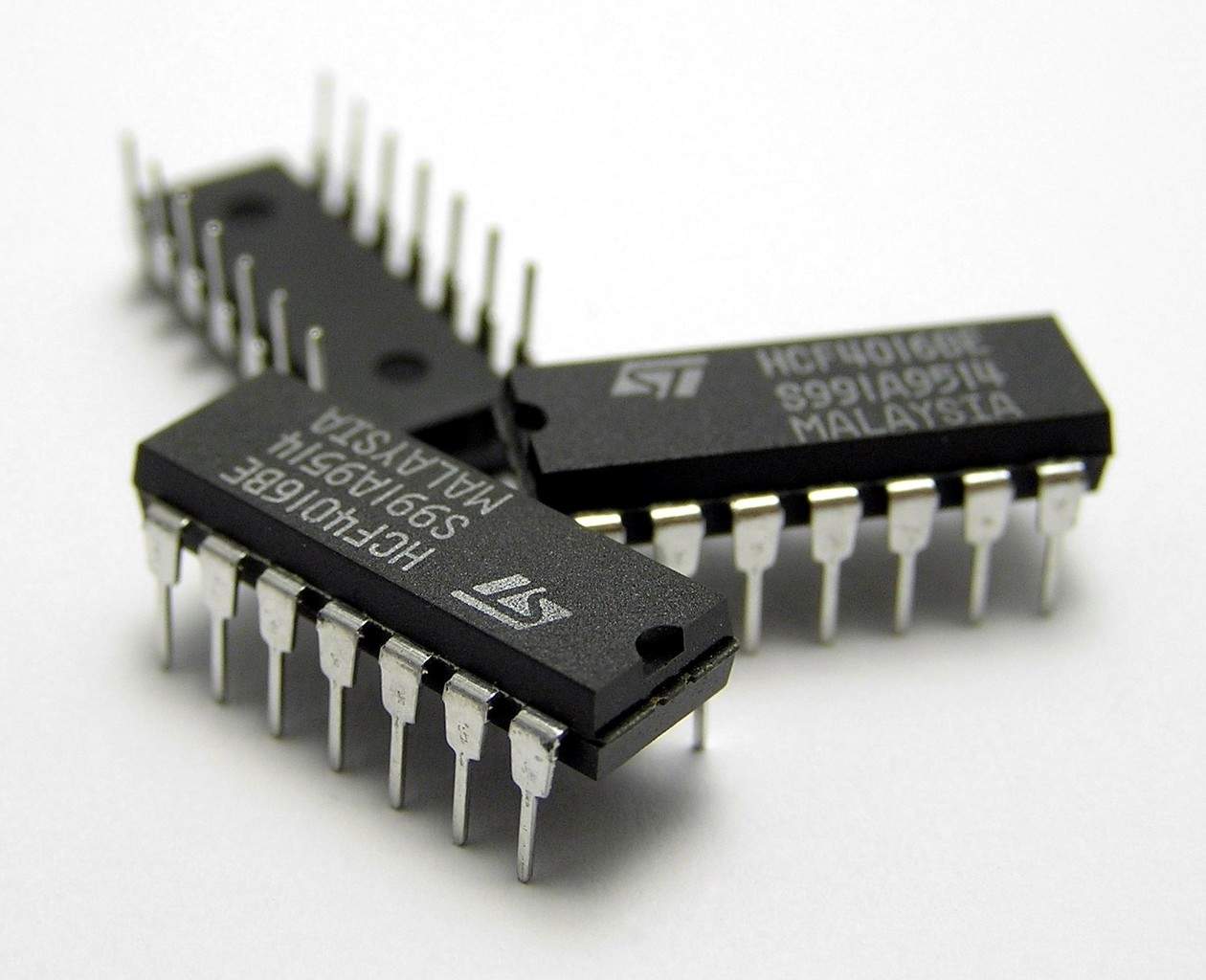
Jack S. Kilby of Texas Instruments and Robert Noyce of Fairchild Semiconductor, working independently, created the integrated circuit, a composite semiconductor block in which transistor, resistor, condenser, and other electrical components are manufactured together as one unit. Initially, the revolutionary invention is seen primarily as an advancement for radio and television, which together were then the nations largest electronics industry.
 6. Telstar 1 (1962)
Communications satellite Telstar 1 is launched by a NASA Delta rocket on July 10th, transmitting the first live transatlantic telecast as well as a telephone and data signals. At a cost of 6 million dollars provided by AT&T, Bell Telephone Laboratories designs and builds Telstar, a faceted sphere of 34 in. in diameter and weighing 171 pounds. The first international television broadcast shows images of the American flag flying over Andover, Maine to the sound of the "Star-Spangled Banner."

7. First scheduled commercial radio programmer (1920)
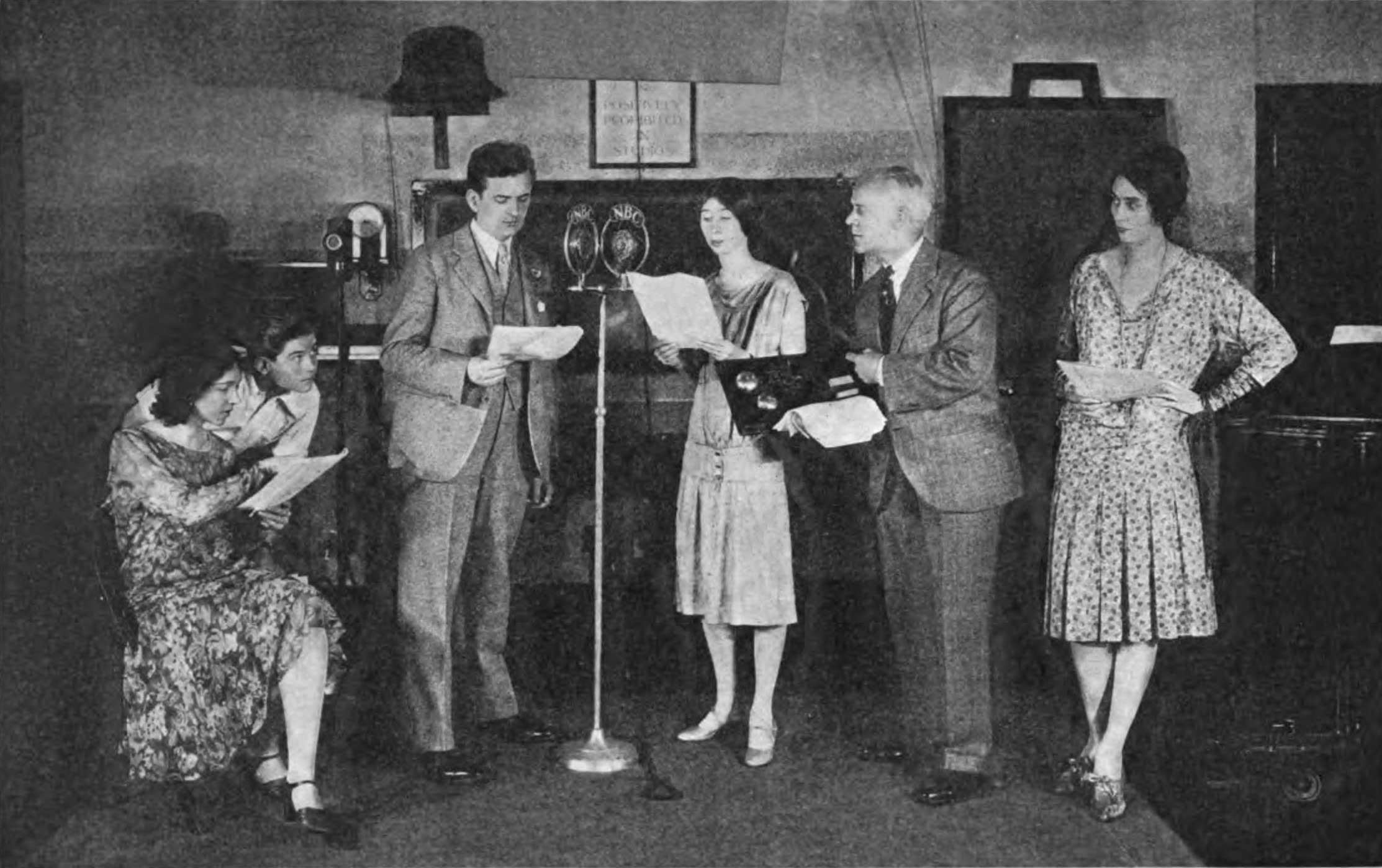
Station KDKA in Pittsburgh becomes radio's first scheduled commercial programmer with it's broadcast of the Harding-Cox presidential election returns, transmitted at 100 watts from a wooden shack atop the Westinghouse Company's East Pittsburgh plant. Throughout the broadcast, KDKA intersperses the election returns and occasional music with a message: "Will anyone hearing this broadcast please communicate with us, as we are anxious to know how far the broadcast is reaching and how it is being received?"
 8. FM Radio
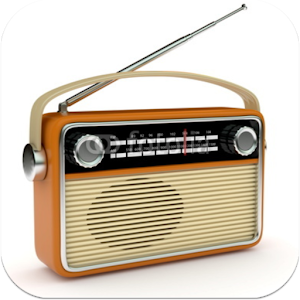
Edwin Howard Armstrong develops frequency modulation or FM radio as a solution to the static interference problem that plagues AM radio transmission, especially in summer when electrical storms are prevalent. Rather than increasing the strength or amplitude of his radio waves, Armstrong changes only the frequency on which they are transmitted. However, it will be several years before FM radio receivers come on the market.
Edwin Howard Armstrong develops frequency modulation or FM radio as a solution to the static interference problem that plagues AM radio transmission, especially in summer when electrical storms are prevalent. Rather than increasing the strength or amplitude of his radio waves, Armstrong changes only the frequency on which they are transmitted. However, it will be several years before FM radio receivers come on the market.

No comments:
Post a Comment